
Here’s a detailed guide on roof Khaprail tiles (clay roof tiles) — their benefits, types, design options, and what to consider when choosing them for your project.
Khaprail tiles are traditional clay/terracotta roof tiles, often handmade or factory-fired, used for pitched roofs, especially in South Asia. They’re made from clay that is moulded, sun-dried, then kiln-fired to become weather-resistant. For example, one manufacturer in Pakistan describes them as “clay tiles that have gone through a long heating process and are treated thoroughly”.
These tiles serve both functional and aesthetic purposes, as they help protect the roof from sunlight, rain, and heat while providing a rustic, earthy appearance.
Key Benefits of Roof Khaprail Tiles
Here are some of the main advantages:
-
Thermal resistance & ventilation: Clay tiles naturally help keep interiors cooler in hot weather due to their thermal mass and breathability.
-
Durability: A well-fired clay tile can last many years with minimal maintenance. For example, manufacturers claim “natural & organic clay tiles” with “100% quality & satisfaction”.
-
Aesthetic appeal: They offer a heritage or traditional appearance — featuring red/terracotta tones and rustic textures — which many homeowners desire.
-
Versatility in shapes & finishes: There are many formats (flat, barrel-shape, interlocking, glazed, coloured) to suit different roof slopes and architectural styles.
-
Local availability: In Pakistan, many manufacturers supply across cities and regions (including Islamabad, Lahore, Karachi, etc.), making them accessible.
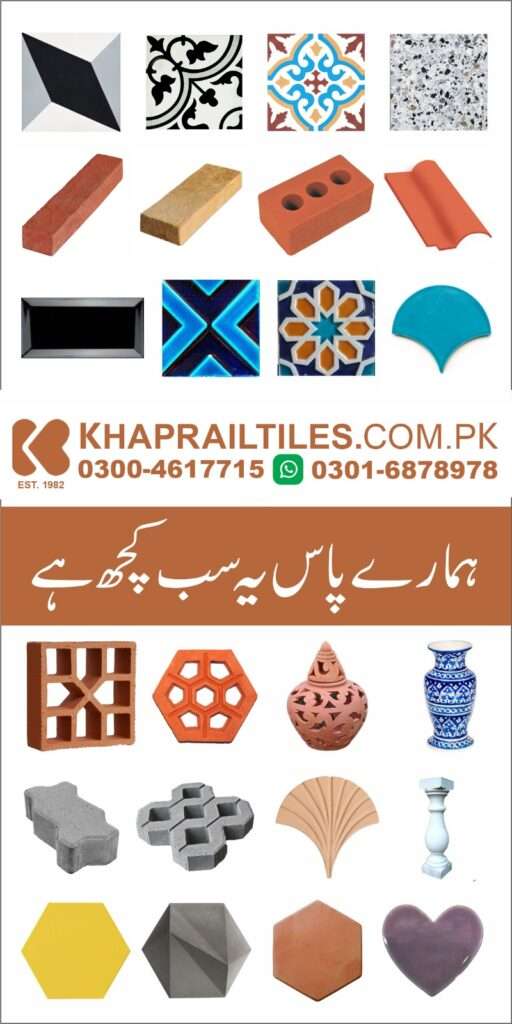
Types & Designs of Khaprail Tiles
When selecting Khaprail tiles, you’ll encounter various types and design options. Some of the common ones are:
-
Flat Plate Tiles: These are simple flat slabs of clay tile.
-
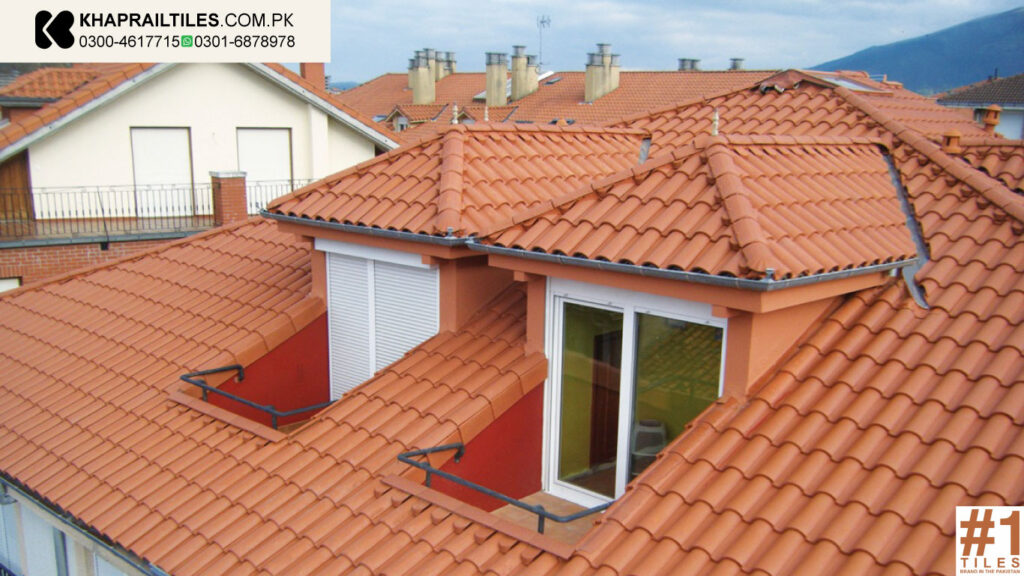
Barrel / Half-Round Tiles: Curved shapes that create a distinct roof profile.
-
Interlocking Tiles: Tiles shaped to lock together, improving weather resistance.
-
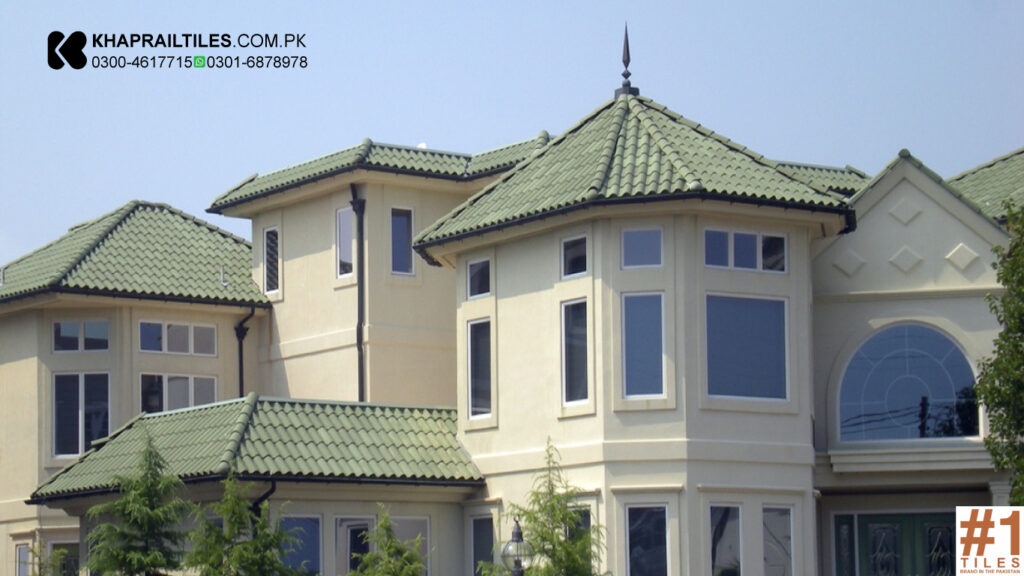
Glazed vs Unglazed: Glazed tiles have a surface coating giving colour or sheen; unglazed tiles show natural clay texture.
-
Colour Variations: Traditional red/terracotta, white clay, black/chalky finishes.
-
Special Designs: Some sites mention “cool roof tiles”, “waterproof khaprail”, “gola border”, “phool pati wali khaprail”, etc.
Things to Check When Choosing Roof Khaprail Tiles
To ensure you get good quality and suitable tiles, check the following:
-
Clay quality & firing – Poorly fired tiles may absorb water, crack, or deteriorate. One supplier emphasises the long heating process for durability.
-
Size/Format – Ensure the tile size and shape fit your roof slope and structure.
-
Slope and installation compatibility – The roof’s pitch should suit the type of tile to avoid water leaks through.
-
Finish & colour consistency – Colour changes affect aesthetics; glaze may add cost.
-
Weather protection – Good tiles should resist hail, sun, wind, and water intrusion.
-
Installation & fixings – Proper installation matters. Terracotta tiles may require specific bedding or flashing at ridges, joints, etc.
-
Maintenance & warranty – Ask about maintenance needs and any warranty from the manufacturer.
-
Local availability & logistics – Make sure accessories (ridge tiles, clip/fixings, replacement tiles) are available locally for your region (e.g., Punjab, Pakistan).
Typical Price & Cost Considerations
While exact per-tile pricing may vary, some indicative price information found in Pakistan:
-
A price list mentions typical ranges for khaprail tiles at “PKR 100 to PKR 300 per square foot” depending on quality and design. tilesprice.com.pk
-
Additional costs: installation labour, bedding mortar, wastage, and transportation to your area.
-
Premium imported or glazed clay tiles will cost more than standard local ones.
When budgeting, remember the roof area and include ~10 % more tile for cutting and waste. Also, plan for labour, flashings, and during the rainy season, ensure installation is done quickly.
Typical Applications & Best Use Cases
Roof Khaprail tiles are ideal for:
-
Residential houses with sloped roofs — villas, bungalows, farmhouses.
-
Resorts or structures where aesthetic, traditional roofing is desired.
-
Historical or heritage building restoration, where matching original clay tiles is needed.
-
Buildings located in hot climates, where clay’s thermal properties help.
-
Architecture aiming for a rustic or Mediterranean look.
Maintenance Tips for Khaprail Roofs
-
Check regularly for cracked or missing tiles — replace as needed to avoid leaks.
-
Clear debris (leaves, moss) that may trap water and cause damage under tiles.
-
Ensure roof flashings and ridge caps are intact to prevent water ingress.
-
If tiles are glazed/painted, check for surface damage and repaint or seal if required.
-
Inspect under‐roof structure (rafters, battens) periodically for termite/wood rot (especially in Pakistan’s climate).
Conclusion
Roof khaprail tiles offer a timeless and high-quality roofing solution combining aesthetics and function. If you’re working on a house in Shahkot / Punjab region, Pakistan, and you want a traditional yet durable roof, these tiles can be an excellent choice — provided you select properly and ensure quality installation.
If you like, I can look up specific brands & suppliers of khaprail tiles in the Faisalabad / Shahkot area, with current models and price quotes for you. Would that be helpful?
