
Introduction
The kitchen is the heart of every home — a space where design meets functionality. When it comes to flooring, kitchen floor tiles are the ideal choice for balancing style, durability, and easy maintenance. With a wide range of materials, textures, and colors available, you can create a kitchen floor that complements your décor while standing up to daily wear and tear.
In this detailed guide, we’ll explore the best types of kitchen tiles, their benefits, design trends, and practical tips for choosing the perfect option.
Why Choose Kitchen Floor Tiles?
Kitchens face constant foot traffic, spills, and moisture — so choosing the right flooring material is crucial. Kitchen floor tiles offer the perfect blend of beauty and performance:
-
Highly Durable – Resistant to scratches, stains, and heat.
-
Waterproof – Perfect for areas prone to spills and moisture.
-
Easy to Clean – Wipe away dirt, oil, and grease effortlessly.
-
Design Flexibility – Available in countless colors, sizes, and finishes.
-
Cost-Effective – Long-lasting investment that adds value to your home.
Types of Kitchen Floor Tiles
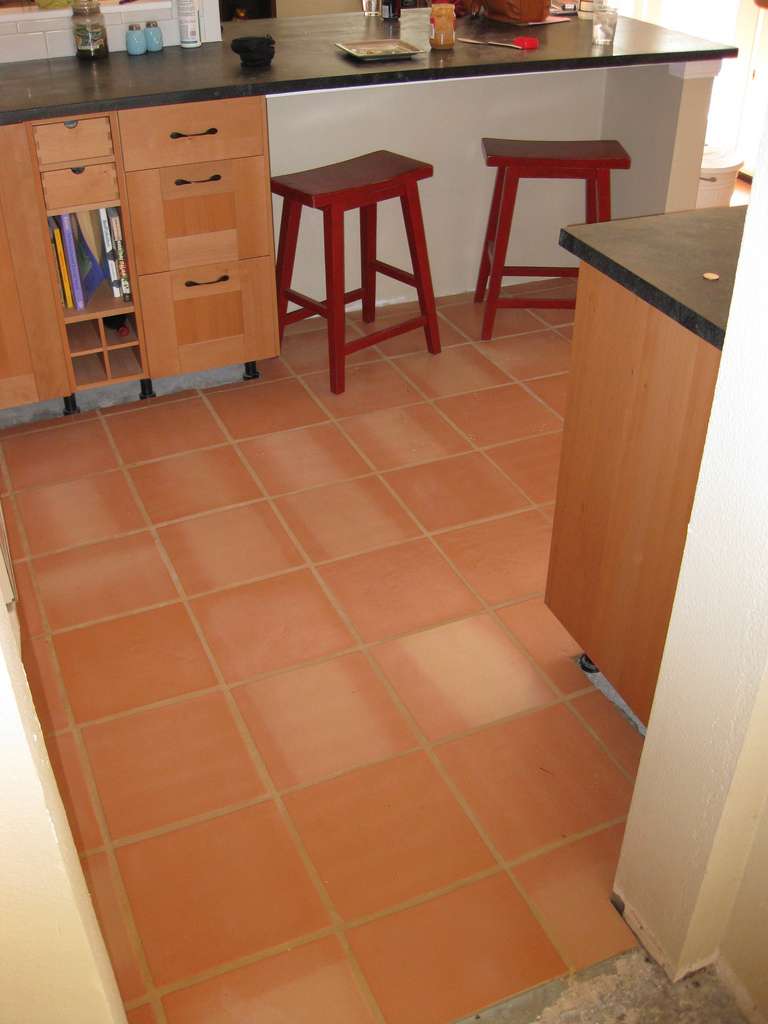
1. Ceramic Tiles
Ceramic tiles are among the most popular choices for kitchen flooring due to their affordability and durability. They come in a wide variety of designs, including wood and stone effects.
Pros: Budget-friendly, low maintenance, wide design variety.
Cons: Can be slippery when wet; may crack under heavy impact.
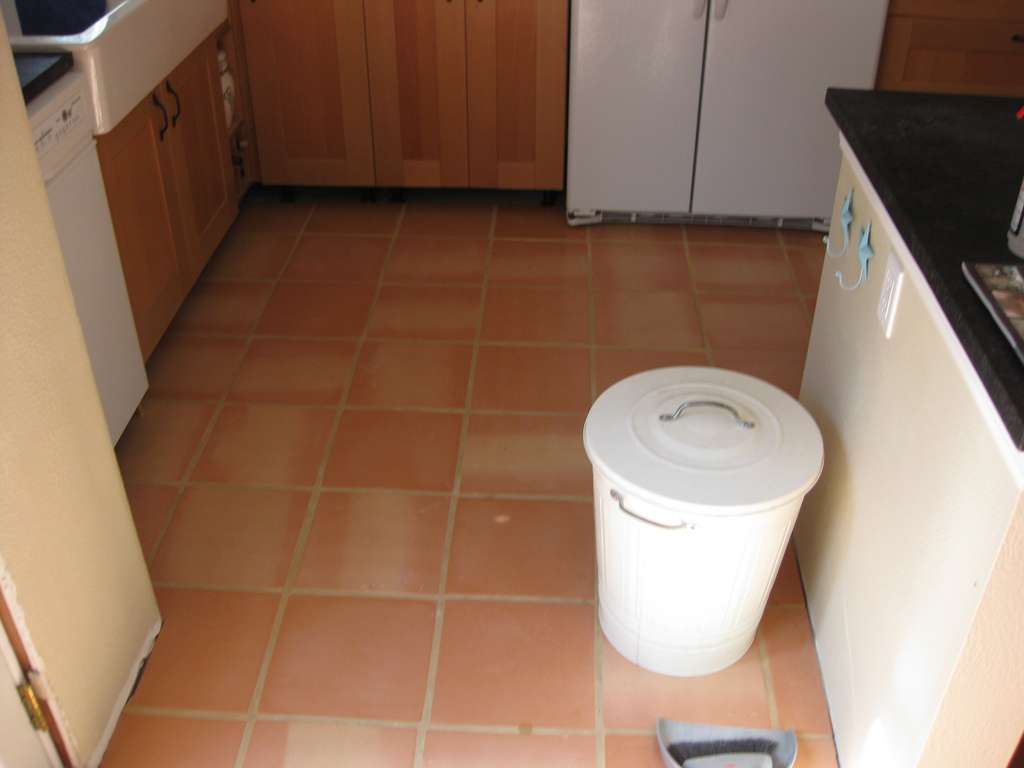
2. Porcelain Tiles
Porcelain tiles are denser and less porous than ceramic tiles, making them ideal for high-traffic areas, such as kitchens. They resist stains, moisture, and temperature changes, offering both practicality and elegance.
Pros: Strong, water-resistant, available in matte or glossy finishes.
Cons: Slightly higher cost and harder to cut during installation.
3. Vinyl Tiles
Vinyl floor tiles are a modern, affordable, and soft-underfoot alternative for kitchen flooring. They come in realistic wood or stone designs and are perfect for families.
Pros: Comfortable, budget-friendly, easy to install.
Cons: May dent or fade over time with heavy use.
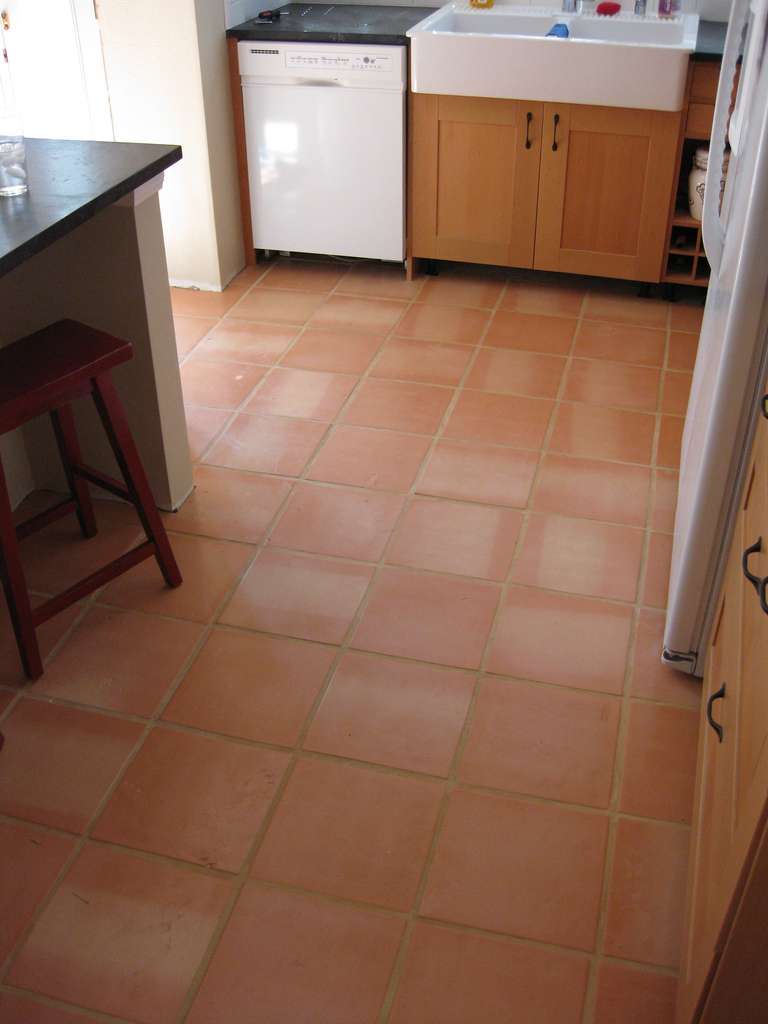
4. Natural Stone Tiles
If you want to give your kitchen a luxurious, timeless look, natural stone options such as granite, slate, or marble tiles are perfect. They add warmth and sophistication to any space.
Pros: Elegant and durable, each tile has unique textures.
Cons: Higher cost, requires sealing to prevent stains.
5. Wood-Look Tiles
Wood-look tiles combine the charm of wooden floors with the practicality of ceramic or porcelain. These water-resistant tiles are perfect for kitchens that demand warmth and elegance.
Pros: Authentic wood appearance, durable, and easy to maintain.
Cons: Slightly cold underfoot without underlayment.
Best Colors and Styles for Kitchen Floor Tiles
Choosing the right color and design enhances the look and feel of your kitchen.
-
Light Colors (White, Beige, Cream): Create a spacious and clean appearance.
-
Grey and Neutral Shades: Offer a modern and elegant finish.
-
Dark Tiles (Charcoal, Black, Brown): Perfect for hiding stains and adding contrast.
-
Patterned Tiles: Add personality and a creative touch.
-
Textured Tiles: Provide grip and prevent slipping.
Top Design Trends for Kitchen Floor Tiles
-
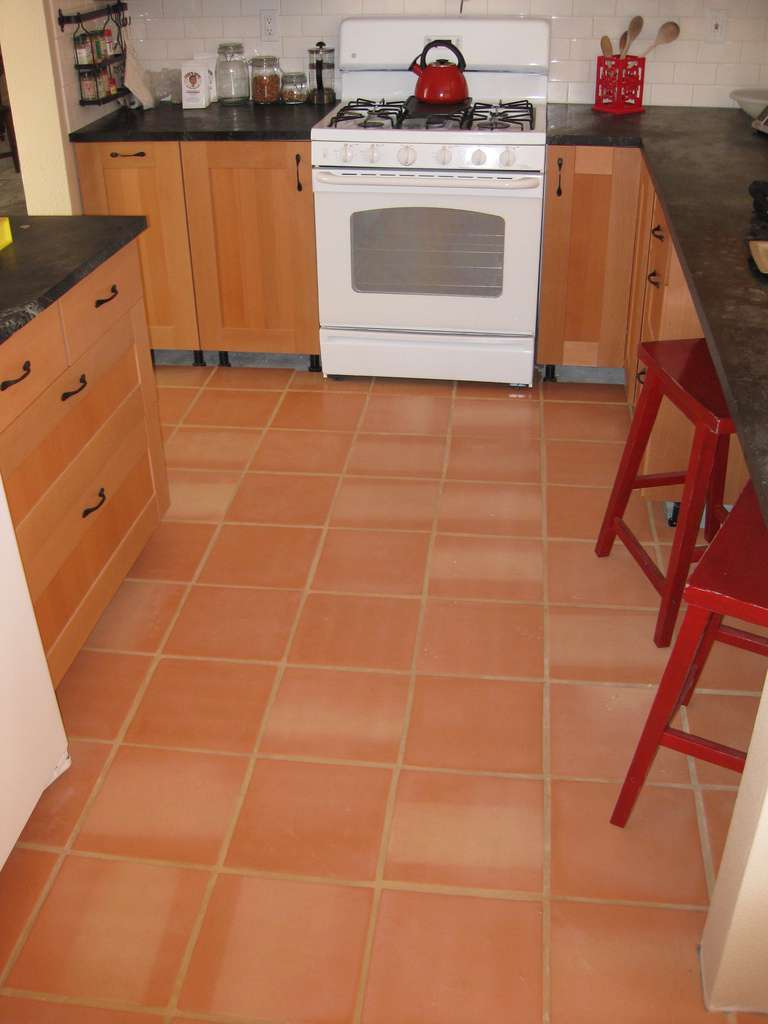
Large Format Tiles – Fewer grout lines for a sleek, contemporary look.
-
Matte Finish Tiles – Offer a subtle, non-slip surface.
-
Geometric & Moroccan Patterns – Add a designer aesthetic.
-
Marble-Effect Porcelain – Luxury without the high cost.
-
Wood-Look Porcelain – Perfect for cozy, rustic kitchens.
Factors to Consider Before Buying Kitchen Floor Tiles
-
Durability – Choose tiles that can handle heavy foot traffic and dropped objects.
-
Slip Resistance – Go for textured or matte tiles for safety.
-
Maintenance – Opt for materials that are easy to clean.
-
Tile Size – Large tiles make the kitchen look bigger; small tiles add detailed texture.
-
Budget – Balance between aesthetics and practicality.
Installation Tips for Kitchen Floor Tiles
-
Always ensure a flat and moisture-free subfloor before installation.
-
Use high-quality adhesive and grout for strong bonding.
-
Allow proper spacing for grout lines to accommodate expansion.
-
Seal stone tiles to protect them from stains and moisture.
-
Hire professionals for the best results, especially with patterned layouts.
Maintenance Tips for Long-Lasting Floors
-
Clean spills immediately to avoid staining.
-
Mop regularly using mild cleaners.
-
Avoid abrasive tools to prevent scratching.
-
Re-seal natural stone tiles periodically.
-
Use mats near sinks and stoves for added protection.
Conclusion
Kitchen floor tiles are an essential investment for creating a space that’s both stylish and functional. Whether you prefer the affordability of ceramic, the elegance of natural stone, or the comfort of vinyl, there’s a perfect tile option for every kitchen design and budget.
With the right choice and proper installation, your kitchen flooring will remain beautiful, durable, and easy to maintain for years to come.