
Introduction
When designing or renovating a kitchen, tile size plays a crucial role in determining the look, feel, and functionality of your space. The right kitchen floor tiles size can make your room appear larger, easier to clean, and more visually balanced. Whether you prefer large-format tiles for a sleek modern style or small tiles for classic charm, selecting the proper size ensures both beauty and practicality.
In this guide, we’ll explore standard kitchen floor tile sizes, their benefits, design impacts, and expert tips for choosing the right one for your kitchen layout.

Why Tile Size Matters in the Kitchen
The size of your kitchen floor tiles affects more than just the design — it influences grout visibility, installation time, room proportion, and maintenance. Choosing the right size depends on your kitchen’s dimensions, layout, and aesthetic preferences.
Key Factors Affected by Tile Size:
-
Room Appearance: Larger tiles create an illusion of space, while smaller ones add texture and depth.
-
Grout Lines: Fewer grout lines with large tiles make the floor look clean and seamless.
-
Ease of Cleaning: Bigger tiles mean less grout to clean and maintain.
-
Installation Cost: Large tiles may require more precision during installation.
Standard Kitchen Floor Tiles Size
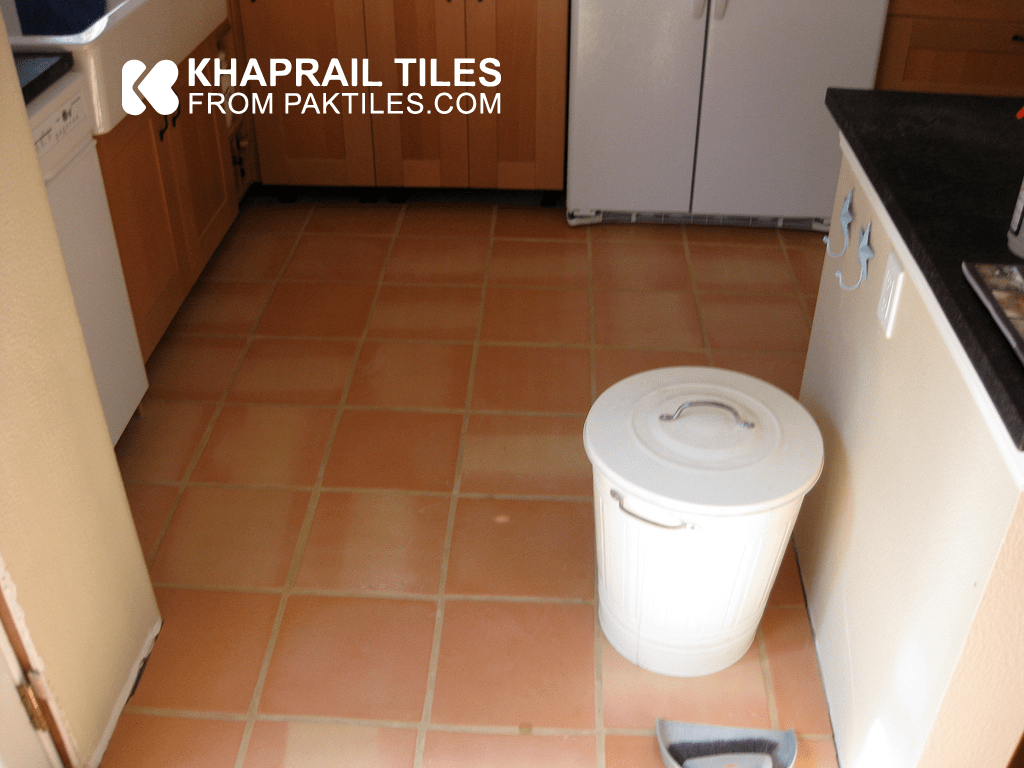
Kitchen floor tiles are available in various shapes and dimensions. The most common tile sizes (in inches) used for kitchen floors include:
| Tile Type | Common Sizes (in inches) | Best For |
|---|---|---|
| Small Tiles | 8×8, 12×12 | Compact kitchens, traditional designs |
| Medium Tiles | 12×24, 16×16 | Standard-sized kitchens |
| Large Tiles | 18×18, 24×24, 24×48 | Spacious or open-concept kitchens |
| Rectangular Tiles (Planks) | 6×24, 8×32 | Wood-look designs, contemporary style |
| Hexagon Tiles | 8×9, 10×11 | Accent areas, modern kitchens |
| Mosaic Tiles | 2×2, 4×4 | Borders, decorative backsplashes |
Best Kitchen Floor Tiles Size for Different Kitchen Types
1. Small Kitchens
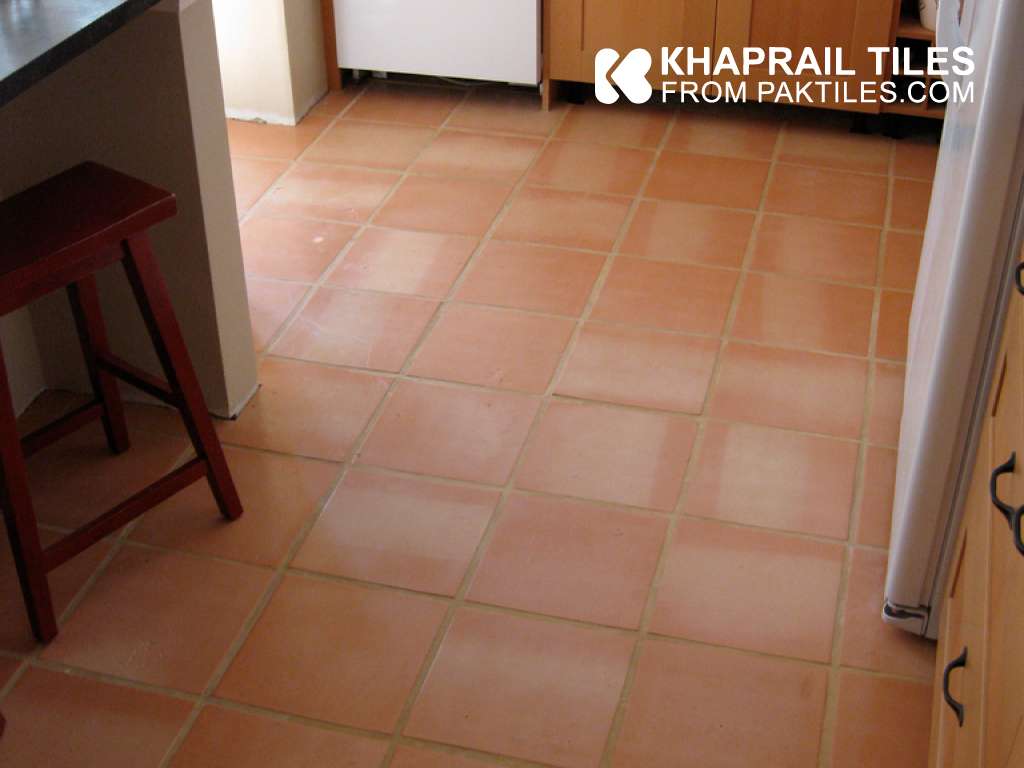
For compact spaces, use medium-sized tiles (12×12 or 12×24 inches). They make the kitchen appear larger by reducing visual clutter. Avoid very small tiles, as they increase grout lines and make the room look busy.
Tip: Choose light-colored tiles with minimal grout contrast to enhance the feeling of openness.
2. Large Kitchens
If you have a spacious or open-plan kitchen, large-format tiles (18×18, 24×24, or 24×48 inches) are ideal. These tiles create a seamless, luxurious finish and reduce maintenance due to fewer grout joints.
Tip: Use matte or satin finishes to prevent slipperiness and maintain a contemporary look.
3. Galley Kitchens
In narrow or galley-style kitchens, rectangular tiles (6×24 or 8×32 inches) laid in a horizontal or staggered pattern help make the space look wider and more dynamic.
Tip: Install tiles lengthwise along the longer side of the kitchen to create flow and elongation.
4. Kitchen-Dining Combos
For kitchens that extend into dining areas, large square or rectangular tiles help maintain a cohesive look. Consider 24×24-inch porcelain tiles for a modern and continuous design.
Tip: Use matching grout color for a seamless transition between zones.
Tile Thickness Guide
Along with size, tile thickness also impacts durability and performance. Here’s what’s typically used in kitchens:
| Tile Material | Standard Thickness |
|---|---|
| Ceramic Tiles | 8–10 mm |
| Porcelain Tiles | 9–12 mm |
| Natural Stone Tiles | 10–20 mm |
| Vinyl or SPC Tiles | 3–6 mm |
Thicker tiles are better for high-traffic areas like kitchens, ensuring longevity and strength.
How Tile Size Affects Kitchen Design
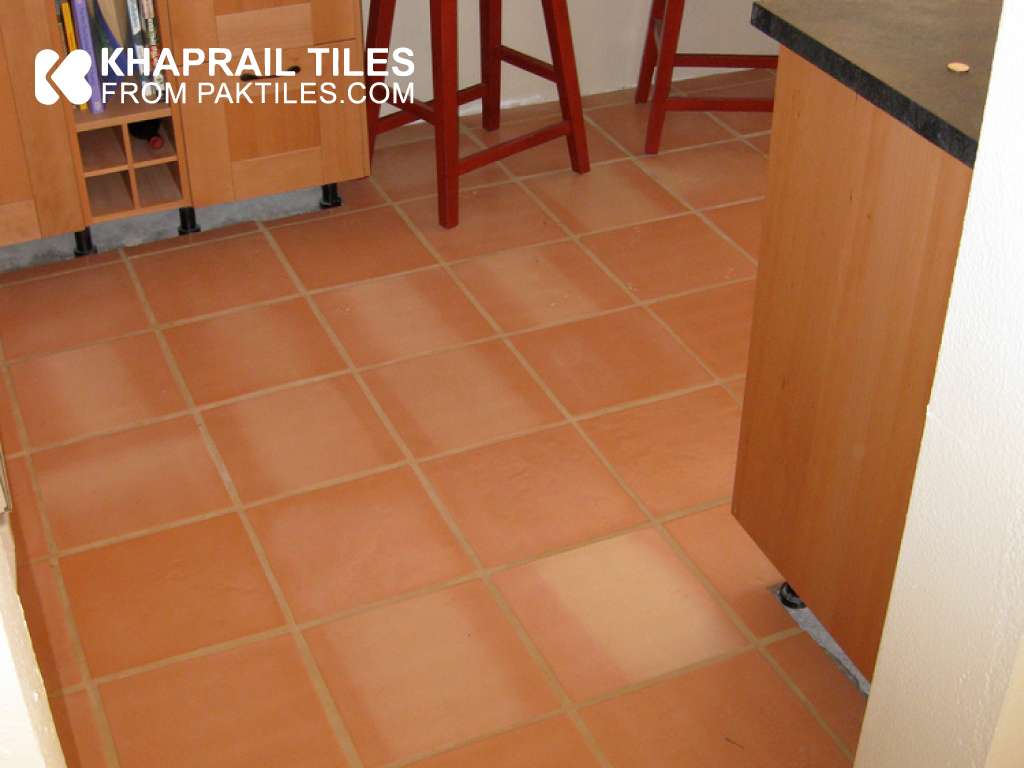
Larger Tiles
-
Fewer grout lines → cleaner, more modern appearance
-
Faster installation → reduced labor cost
-
Ideal for open layouts
Smaller Tiles
-
Great for patterned or detailed designs
-
Provide better traction due to more grout lines
-
Perfect for traditional or classic kitchens
Popular Kitchen Floor Tiles Size And Layout Patterns
Choosing the right layout can transform your kitchen’s visual impact. Some stylish options include:
-
Straight Lay – Clean and modern, ideal for large tiles.
-
Diagonal Lay – Adds movement and makes small kitchens appear bigger.
-
Brick/Running Bond – Common for rectangular tiles; adds warmth.
-
Herringbone Pattern – Elegant and trendy, perfect for wood-look planks.
-
Basket Weave – Best for mosaic or patterned tiles.
Tips for Selecting the Right Kitchen Floor Tiles Size
-
Measure Your Space: Larger kitchens can handle large-format tiles; small spaces need moderate sizes.
-
Consider Grout Color: Matching grout gives a unified look; contrasting grout highlights the pattern.
-
Think About Maintenance: Fewer grout lines = easier cleaning.
-
Visualize Before Installing: Use sample tiles to see how the size affects lighting and space.
-
Balance Proportion: Keep the tile size proportional to your cabinetry and room dimensions.
Conclusion
The right kitchen floor tile size enhances not just the beauty but also the comfort and functionality of your space. Whether you opt for small tiles for a detailed aesthetic or large-format tiles for a modern, seamless look, make sure your choice suits your kitchen’s layout and lifestyle needs.
With proper selection and installation, your kitchen floor will remain durable, stylish, and easy to maintain for years to come.