
Traditional & Modern Khaprail Roofing Tiles
Khaprail roofing tiles have remained one of the most reliable, elegant, and culturally rich roofing solutions in Pakistan and many parts of the world. Known for their exceptional durability, heat insulation, and natural clay aesthetics, Khaprail tiles are used for homes, villas, farmhouses, resorts, gazebos, and architectural heritage projects. This comprehensive guide explores everything you need to know about Khaprail roofing tiles—including types, features, prices, installation, and benefits.
What Are Khaprail Roofing Tiles?
Khaprail roofing tiles are natural clay tiles that are molded and kiln-fired to achieve high strength. Traditionally used in Mughal and regional architecture, these tiles provide:
-
A rustic and classic look
-
Excellent weather protection
-
Outstanding heat resistance
-
Long-lasting durability
Their timeless beauty and performance make them a preferred choice for architects, designers, and homeowners.
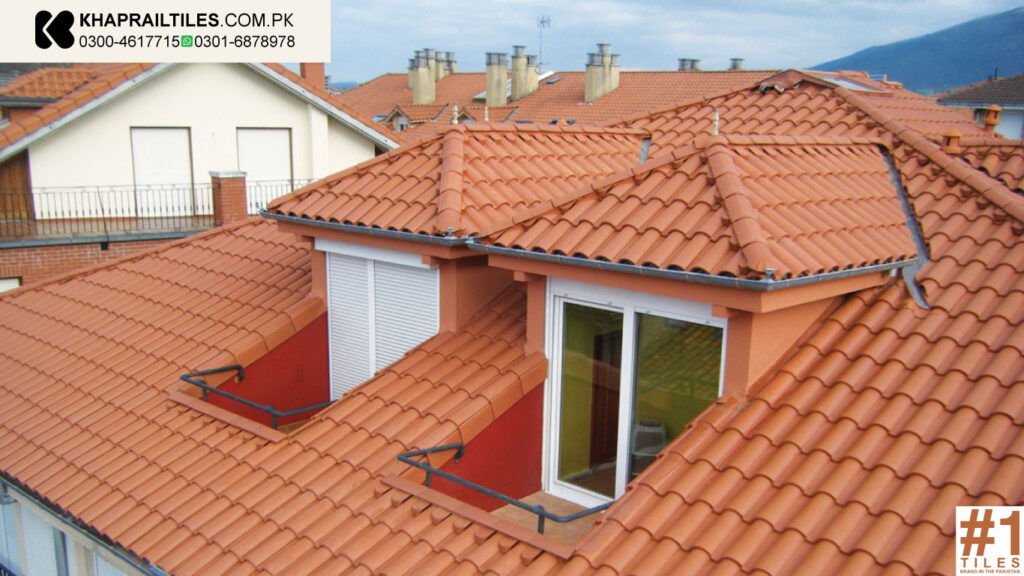
Types of Khaprail Roofing Tiles
1. Curved Khaprail Roofing Tiles
These are the original half-round tiles commonly used in rural and heritage houses. They offer:
-
Strong water drainage
-
Classic aesthetic
-
Ideal for sloped roofs
2. Flat Khaprail Roofing Tiles
Modern and sleek, flat Khaprail tiles are widely used in:
-
Contemporary houses
-
Modern commercial buildings
-
Stylish farmhouses
3. Interlocking Khaprail Tiles
Interlocking tiles provide easy installation and superior sealing. They reduce risk of leakage and offer tighter bonding, suitable for:
-
Large-scale projects
-
High-rainfall regions
4. Spanish Khaprail Tiles
Also known as S-style or barrel tiles, these tiles offer:
-
Beautiful wave-shaped design
-
Mediterranean and Spanish villa aesthetics
-
Premium glazed options available
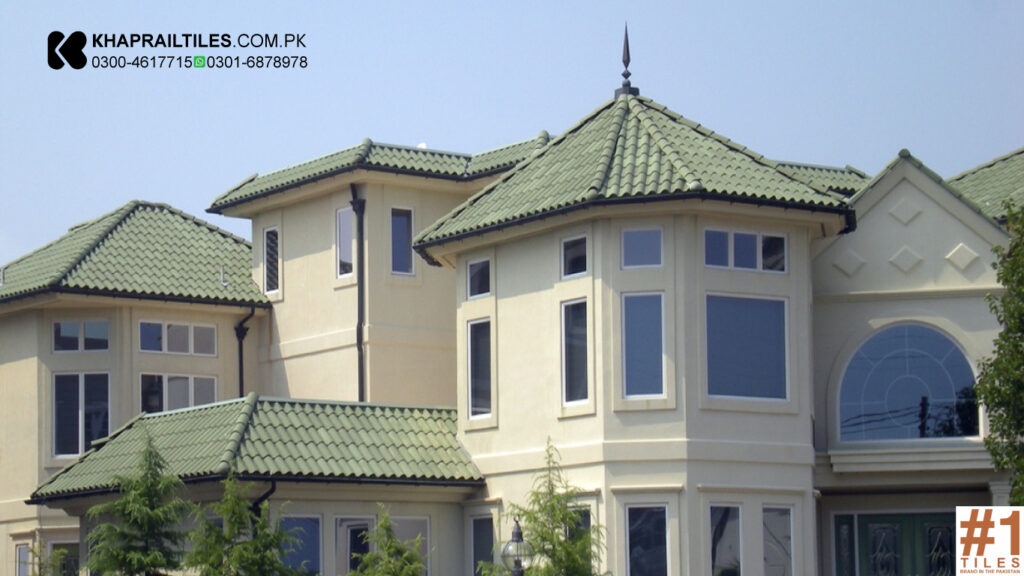
5. Glazed Khaprail Tiles
These tiles have a shiny, sealed finish, making them:
-
Highly water-resistant
-
Fade-proof
-
Easy to clean
Available in multiple colors, from terracotta red to deep brown and black.
Advantages of Khaprail Roofing Tiles
1. Superior Durability
High-quality Khaprail tiles, when properly installed, can last decades. Their kiln-fired clay composition ensures they withstand extreme temperatures, rainfall, and moisture.
2. Excellent Heat Insulation
Clay is a natural insulator. Khaprail roofing significantly reduces heat absorption, keeping homes cool in summer and warm in winter. This lowers electricity usage and increases comfort.
3. Weather & Moisture Resistant
These tiles:
-
Do not rust
-
Do not corrode
-
Are resistant to fungal growth
-
Protect against monsoon rain
4. Eco-Friendly Material
Made from natural clay, Khaprail tiles are sustainable, biodegradable, and environmentally friendly. No harmful chemicals are used during production.
5. Aesthetic Appeal
From rustic traditional looks to glossy premium finishes, Khaprail tiles enhance the beauty of:
-
Farmhouses
-
Modern homes
-
Resorts
-
Heritage sites
They create a warm, natural, and luxurious architectural impression.

Applications of Khaprail Roofing Tiles
1. Residential Roofs
Khaprail tiles are ideal for:
-
Houses
-
Farm villas
-
Cottages
They add value, character, and longevity to your home.
2. Commercial & Hospitality Buildings
Boutique hotels, restaurants, cafes, and resorts frequently use Khaprail tiles for their:
-
Natural look
-
Thermal comfort
-
Brand-enhancing appearance
3. Gazebos & Outdoor Structures
Gazebos, pergolas, and garden shelters look stunning with Spanish or curved Khaprail designs.
4. Cultural & Heritage Architecture
Mosques, shrines, and historical buildings often use these tiles to retain cultural authenticity.
Khaprail Roofing Tiles Price in Pakistan (2025 Update)
Prices depend on tile type, finish, size, and manufacturer. The average ranges are:
| Tile Type | Price Range |
|---|---|
| Traditional Clay Khaprail | PKR 45 – 120 per piece |
| Flat Khaprail Tiles | PKR 150 – 250 per piece |
| Interlocking Tiles | PKR 200 – 300 per piece |
| Spanish / Barrel Tiles | PKR 250 – 400 per sq ft |
| Glazed Khaprail Tiles | PKR 120 – 250 per piece or PKR 300 – 500+ per sq ft |
Imported variants can go even higher depending on quality and brand.
Installation Guidelines for Khaprail Roofing Tiles
1. Ensure Proper Roof Slope
Khaprail tiles work best on sloped roofs to allow natural water runoff. A slope of 20° – 35° is ideal.
2. Use Strong Underlayment
Install waterproofing sheets or membranes under tiles to prevent seepage.
3. Hire Experienced Craftsmen
Professional installation ensures:
-
Correct tile alignment
-
Leak-proof design
-
Long-term durability
4. Avoid Excessive Cement
Tiles need room to breathe. Overuse of cement can trap moisture.
5. Maintain Proper Ventilation
Clay tiles allow natural air circulation, reducing heat buildup and preventing roof damage.
Maintenance Tips for Khaprail Roofs
-
Clean leaves and debris regularly
-
Inspect tiles after heavy rain or storms
-
Replace broken tiles immediately
-
Clean glazed tiles with mild soap and water
-
Avoid harsh chemicals
With minimal care, a Khaprail roof can last several decades.
Why Khaprail Roofing Tiles Are Still Popular Today
Khaprail tiles remain highly popular due to their:
-
Natural beauty
-
Eco-friendly design
-
Thermal benefits
-
Cultural importance
-
Long lifespan
-
Low maintenance
They combine heritage charm with modern performance, making them suitable for all types of architectural styles.
Conclusion
Khaprail roofing tiles are an exceptional choice for homeowners and builders seeking durability, aesthetic value, heat insulation, and a timeless architectural appearance. From traditional curved clay tiles to premium glazed and interlocking designs, Khaprail roofing has evolved beautifully—offering endless possibilities for both modern and classic structures.
Whether used in residential buildings, commercial projects, or heritage restorations, Khaprail tiles provide a roofing solution that is both visually stunning and structurally reliable.
